
Old enough to know better. Smart enough to go get it.
There was a moment, somewhere in your forties or fifties, when the old routine stopped delivering. The touch that used to work in ninety seconds all too often now feels like someone politely knocking on a door that nobody is answering. This is not the end of your story. It’s a stretch of life where your body changes the rules, and you get to relearn what works for you. And I hope that sounds like fun!
Here’s the honest, cheerful truth: lower estrogen can mean slower arousal, less genital blood flow and tissue that’s thinner and drier than it used to be – OB/GYNs quoted by Prevention in their guide to normal vaginal changes are blunt that penetration can start to feel uncomfortable, and equally blunt that dryness is treatable rather than a closing notice. What is changing is the route, not the destination. More comfort, more time, more direct stimulation. That’s the whole strategy, and it happens to be a very good time.
The clitoral standby, with the volume turned up
Most women reach orgasm from clitoral stimulation, and after menopause that stimulation often needs to be firmer, steadier and longer-lasting than it once was. Here’s the delightful mechanical detail: as we age, the small nerve endings that respond to light feathery touch decline, while the larger fibers that respond to vibration stay highly functional. Which is to say the universe has essentially issued a recommendation.
Certified sex therapist Sandi Kaufman, quoted in AARP’s piece on sex toys for older adults, puts wands – varying strengths and patterns, usable externally or for penetration – and palm-held vibrators for the vulva at the top of her list for women. Air-pulse toys that tap and suck rather than buzz are worth a try if direct vibration feels like too much, too fast. Start gentler than you think you need and build. Intensity isn’t the goal; arrival is.
And you are in excellent company. AARP’s survey found one in three older adults had used a vibrator, solo or with a partner.
The slow burn, where arousal gets a longer runway
The most underrated orgasm after 50 is the one you spent forty-five unhurried minutes getting to. Kissing, massage, erotica, fantasy, skin-on-skin – treat these as the event rather than the opening act. Auckland sex and relationship therapist Jo Robertson, speaking to Capsule, notes that arousal and orgasm both typically take longer in perimenopause, and that rushing teaches your body that sex is mediocre: “why would you want something that’s average? You might rather watch TV.”
She also recommends rotating in something new each time – a bath, a different room, a new position, a cocktail you made for each other. Novelty sparks the body. Pressure to finish does the opposite.
The grind, the spoon and the pillow under your hips
If knees, hips, backs or a joint replacement have opinions about your sex life, position is where comfort wins. Being on top lets you control depth, speed and angle, and leaves a hand free for external stimulation. Side-by-side spooning tends to be kind to hips and backs and leaves plenty of room for a vibrator. A pillow under the hips or knees changes the angle and reduces strain. And steady pelvic grinding – against a partner, a toy, a cushion – often feels better than deep thrusting.
Robertson suggests pelvic-floor physiotherapy as a kind of “warrant of fitness” check: how the muscles are functioning, what the skin is like, what products might help. That’s also the right place to take fragile-bone questions. If you have osteopenia, osteoporosis or a fracture history, ask a pelvic-health physical therapist or your clinician which positions and supports – wedges, cushions, chairs – are safe for your spine before you buy equipment. Easy-grip handles, longer-handled wands and remote controls help if reaching, gripping or holding a position is the limited.
Penetration, it’s worth repeating, is entirely optional.
The toolkit that makes all of it possible
Three products, three different jobs, frequently confused:
Lubricant reduces friction in the moment. Water-based works with latex barriers and silicone toys; silicone-based stays slippery longer but generally shouldn’t meet a silicone toy. Vaginal moisturizer is used on a regular schedule for ongoing dryness, not just during sex. Vaginal estrogen addresses the underlying tissue changes and, as My Menopause Centre explains, typically builds resilience over weeks of consistent use. Estrogen is available by prescription so have a conversation with your clinician to learn more.
Personal Lubricants
-
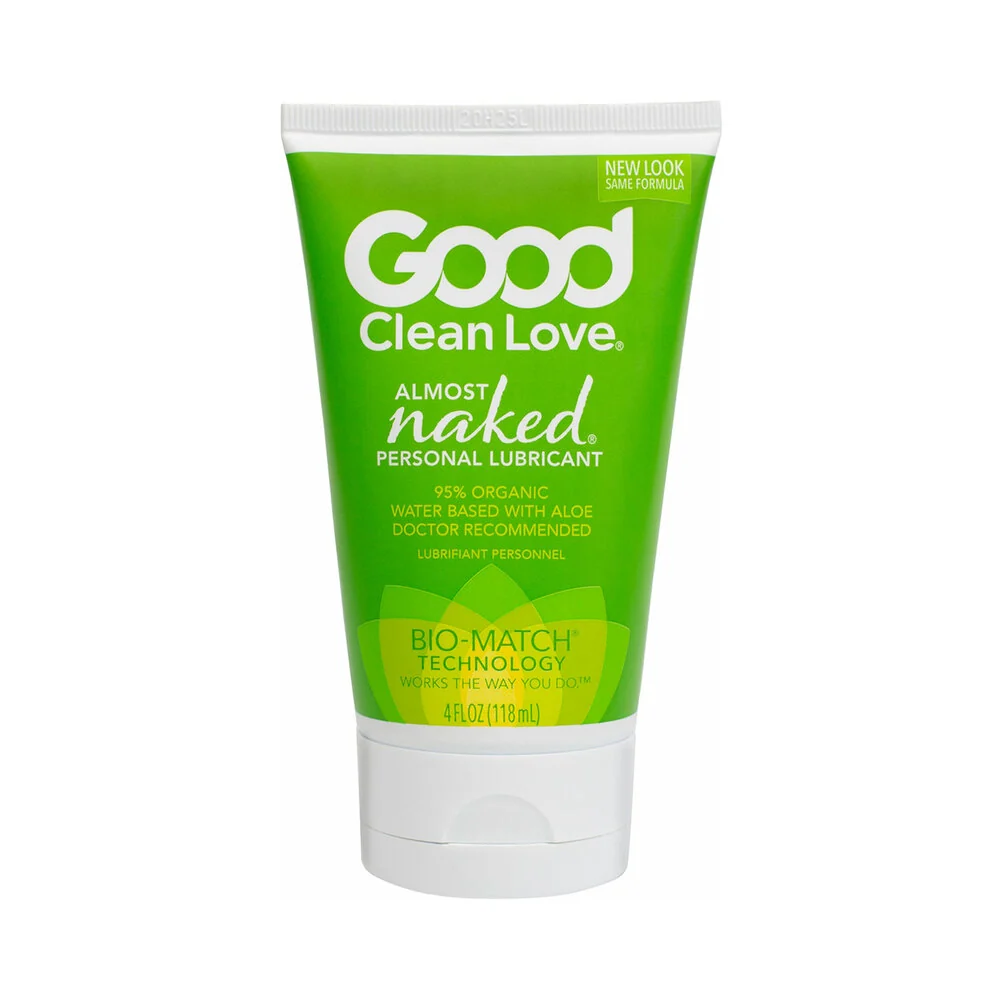
Good Clean Love Almost Naked Personal Lubricant
Price range: $8.99 through $16.99 -
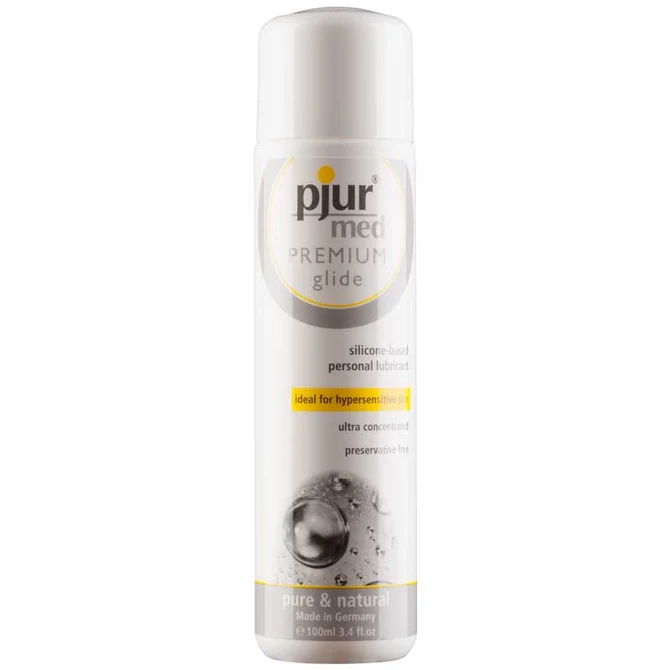
Pjur Med Premium Silicone Glide 3.4 oz
Original price was: $36.00.$29.00Current price is: $29.00. -
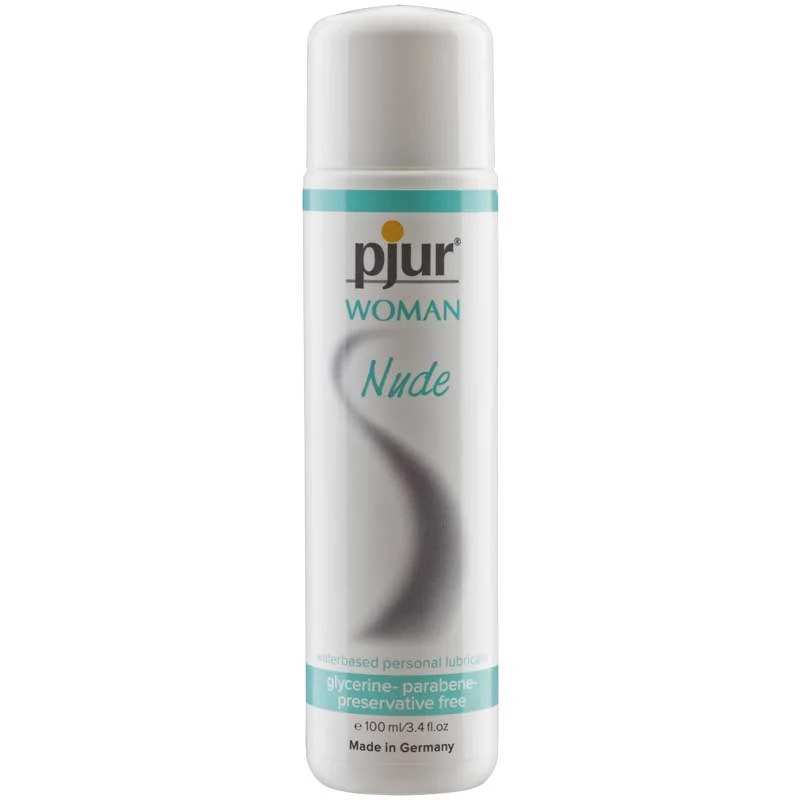
Pjur Woman Nude Waterbased Lube – 3.4oz Bottle
Original price was: $23.00.$20.00Current price is: $20.00. -
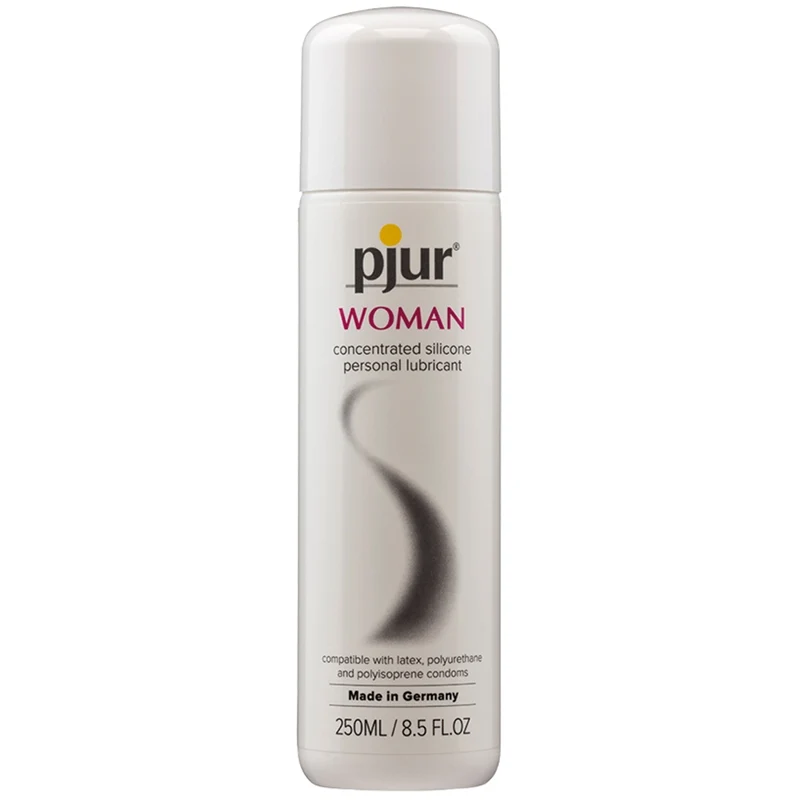
Pjur Woman Silicone Lubricant – 8.5oz Bottle
Original price was: $62.50.$58.00Current price is: $58.00. -
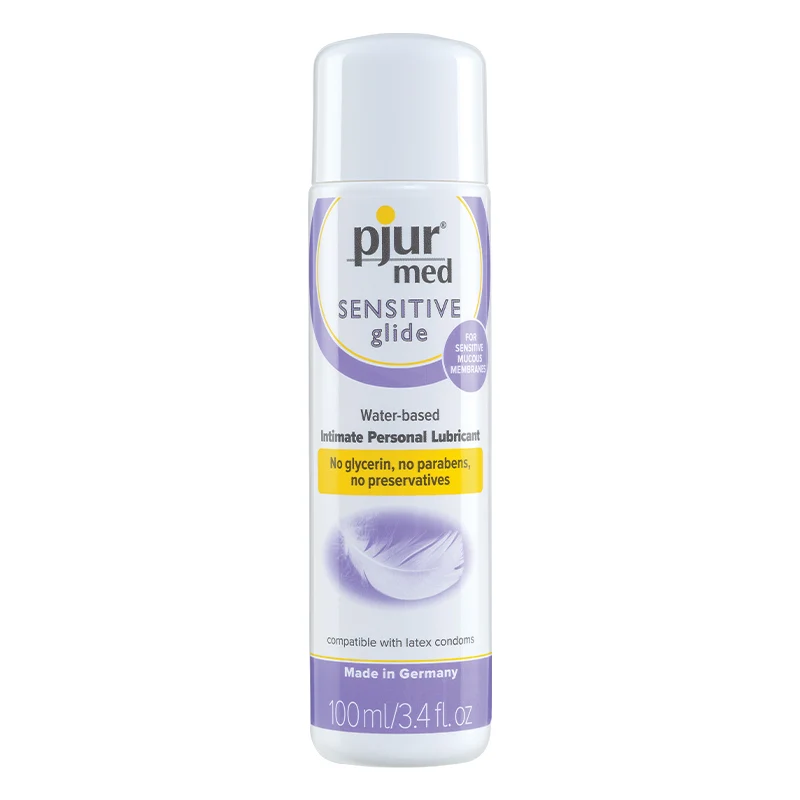
Sensitive Glide – 3.4oz
Original price was: $23.00.$20.00Current price is: $20.00. -
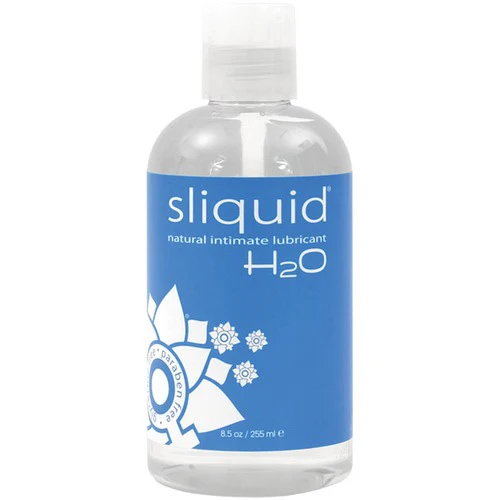
Sliquid H2O-Original Lube 8.5oz
Original price was: $16.99.$15.00Current price is: $15.00. -
Sliquid Organics Intimate Glide-Natural 8.5oz
Original price was: $19.99.$16.00Current price is: $16.00. -
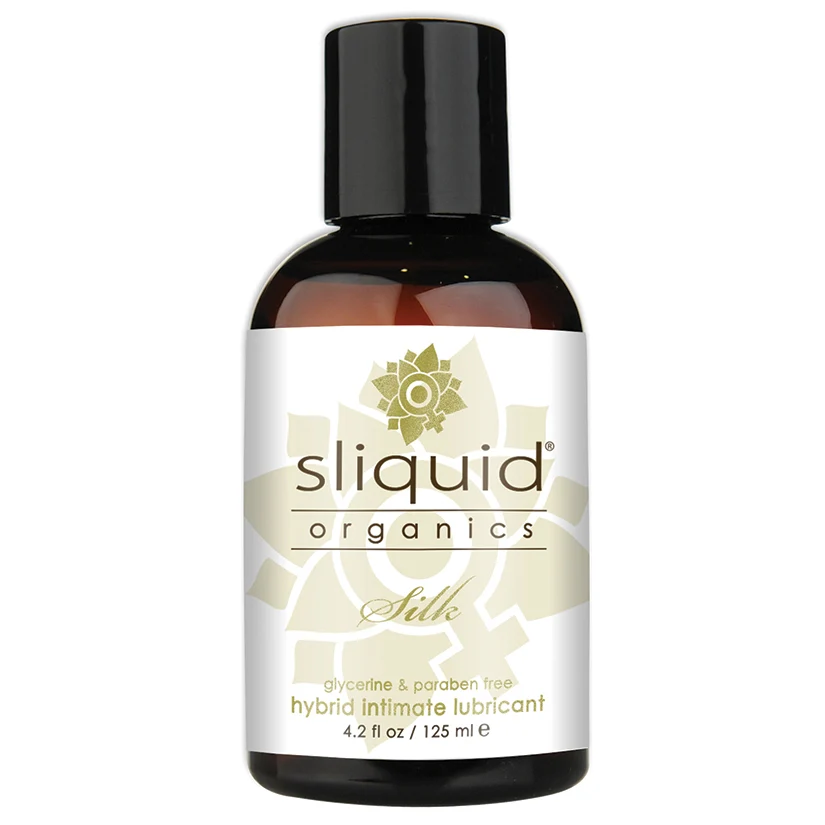
Sliquid Organics Intimate Glide-Silk Hybrid 4.2oz
Original price was: $14.99.$12.00Current price is: $12.00. -
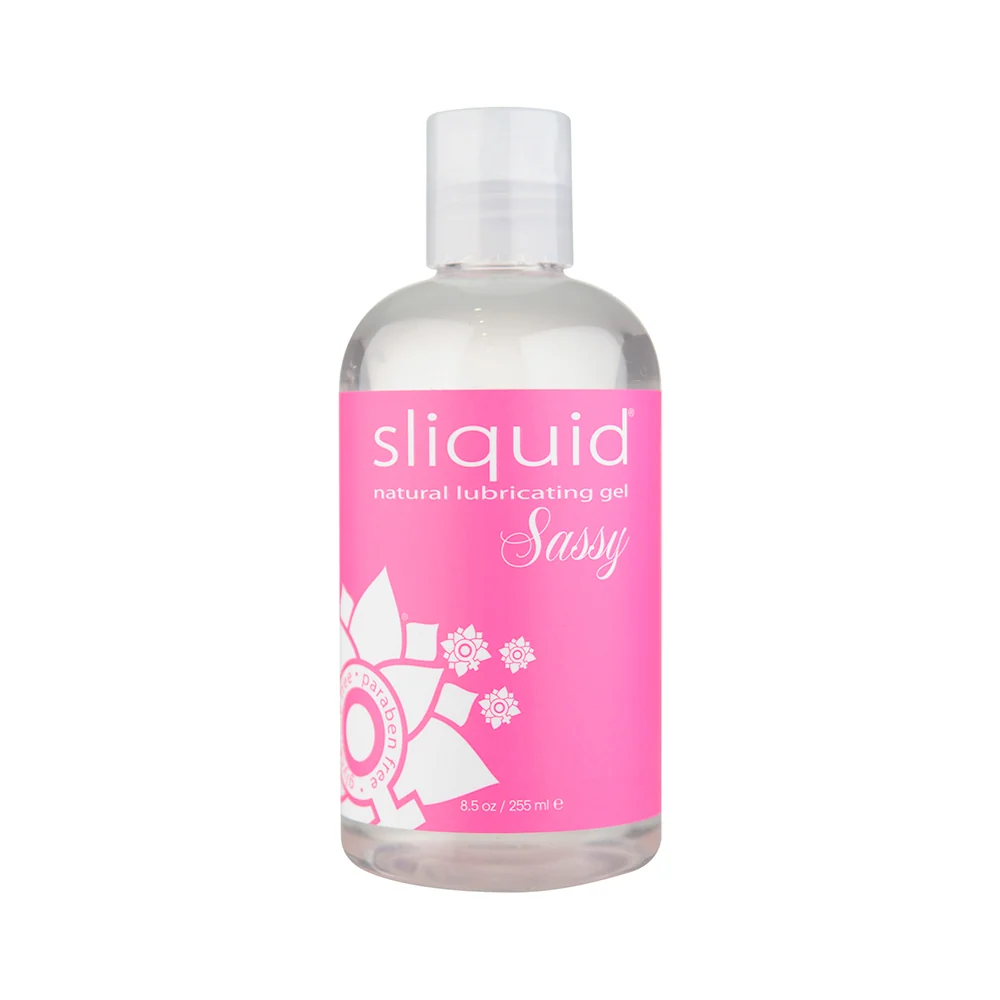
Sliquid Sassy Intimate Gel
Price range: $8.00 through $18.00 -
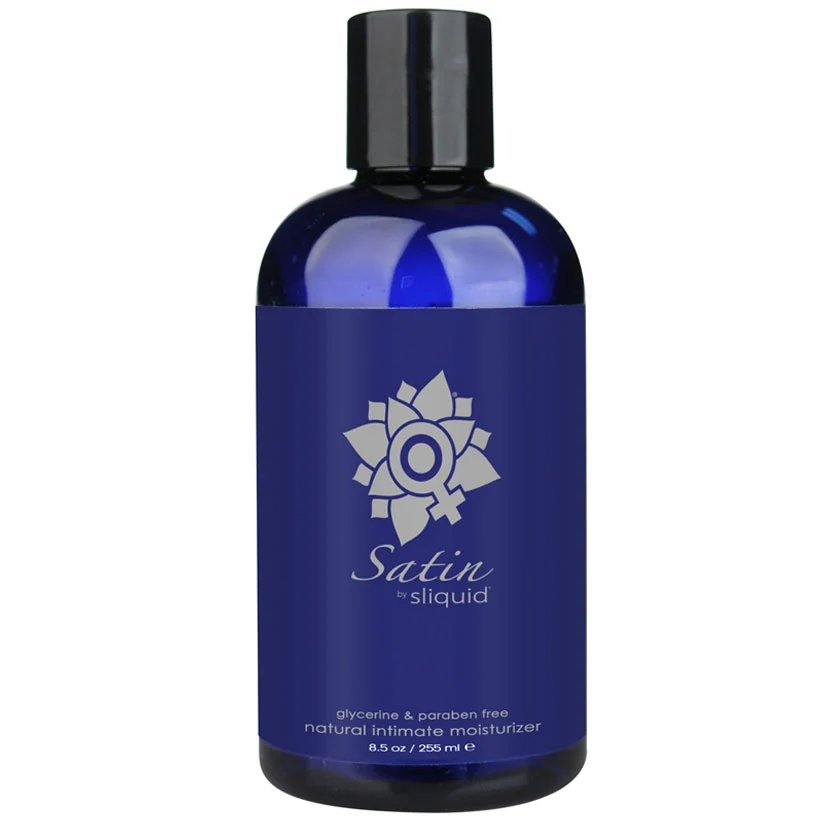
Sliquid Satin Natural Intimate Moisturizer
Price range: $9.00 through $21.00 -
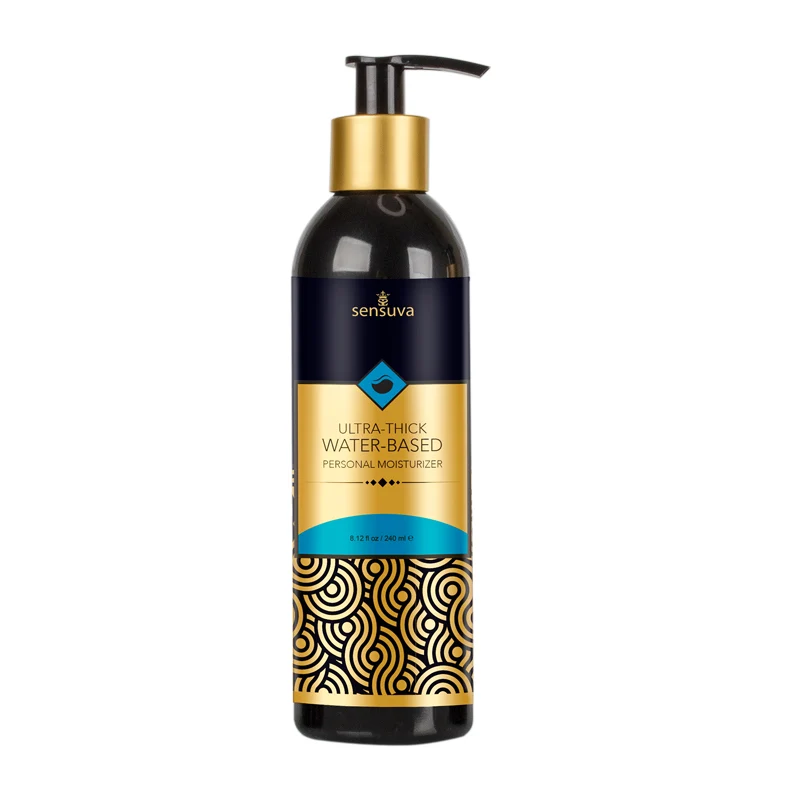
Ultra-Thick Water-Based Personal Moisturizer – 8oz
Original price was: $23.95.$22.00Current price is: $22.00.

When it hurts, that’s information, not the price of admission
Pleasure advice is not a substitute for treatment. Burning, tearing, stinging or genuine dread of pain means you should pause and seek medical advice. Any bleeding after menopause should be evaluated. Persistent dryness isn’t only a bedroom issue either – USA Today’s reporting on recurrent UTIs and vaginal estrogen ties genitourinary syndrome of menopause to urinary urgency, incontinence and repeat infections serious enough to land women in the hospital.
And if you cramp after orgasm, that has a name – dysorgasmia – with possible contributors including pelvic-floor dysfunction, cystitis, ovarian cysts and endometriosis, so it’s worth raising with your clinician or a pelvic-health physical therapist rather than gritting your teeth and hoping it passes.
None of this means pleasure is off the table. It means the first step is a conversation, and the next one is often a treatment that makes everything else in this article a lot more enjoyable.
Go get it: where to start tonight
Solo exploration is the lowest-pressure research you’ll ever do: no audience, no clock, no performance. Find out whether your body now wants a different spot, rhythm, pressure or tool – then share with your partner. Washington, D.C. gynecologist Marilyn Jerome, M.D. keeps vibrators on display in her waiting room precisely so patients understand this is normal. Consider this your display case.
If you want a deeper dive, Dr. Lauren Streicher’s Sex Rx: Hormones, Health, and Your Best Sex Ever covers the medical side in plain language – useful reading while your new wand charges.
This article is for general educational purposes and is not a substitute for medical advice, diagnosis, or treatment from a qualified healthcare professional.
Leave a Reply